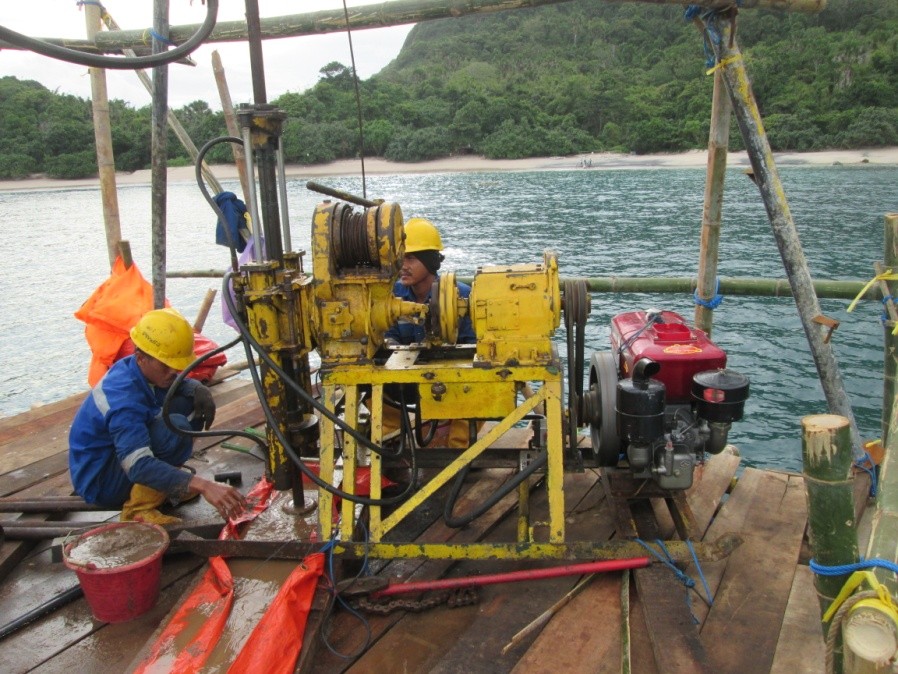
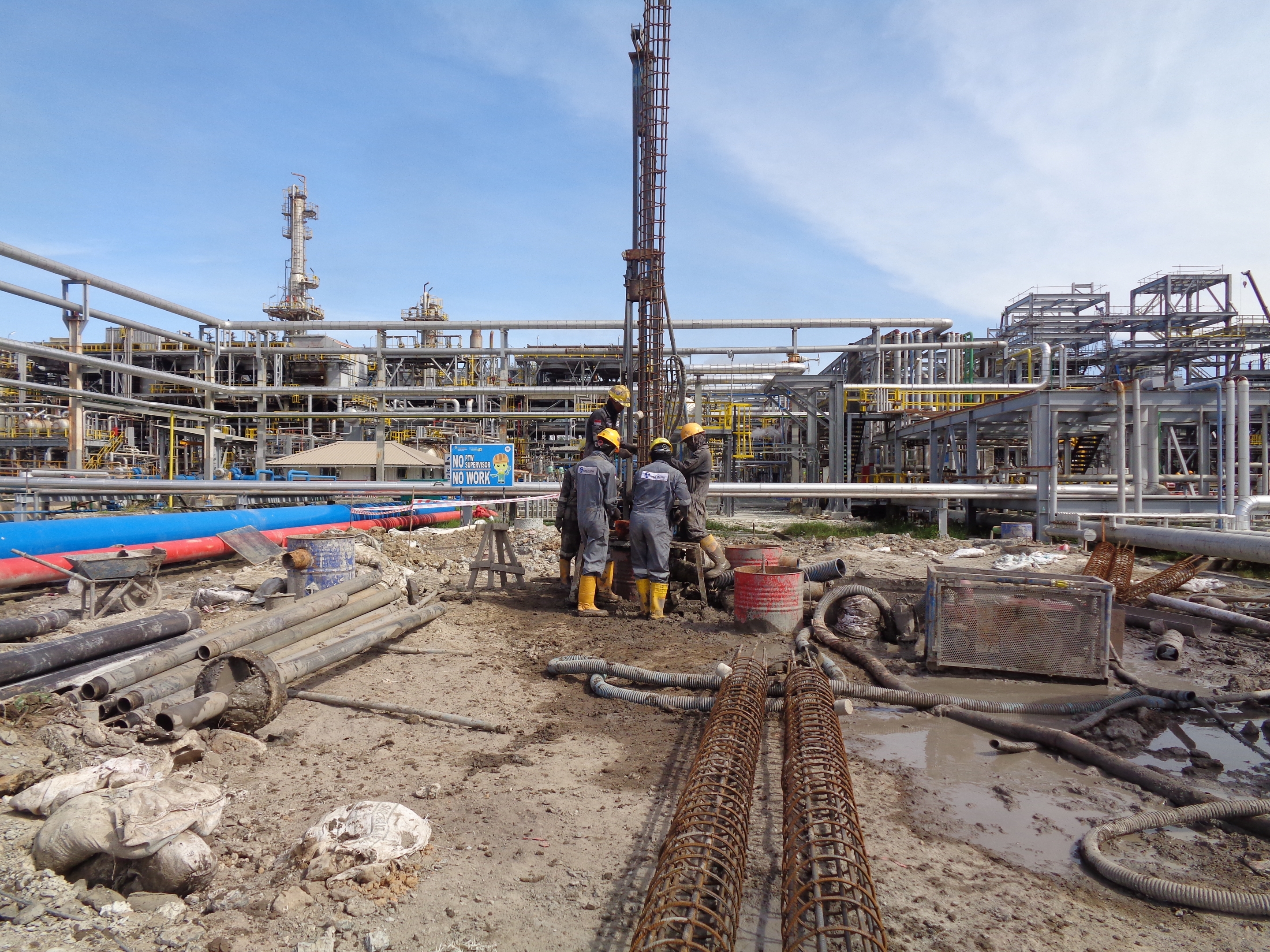
SOIL INVESTIGATION AND LABORATORY TESTING
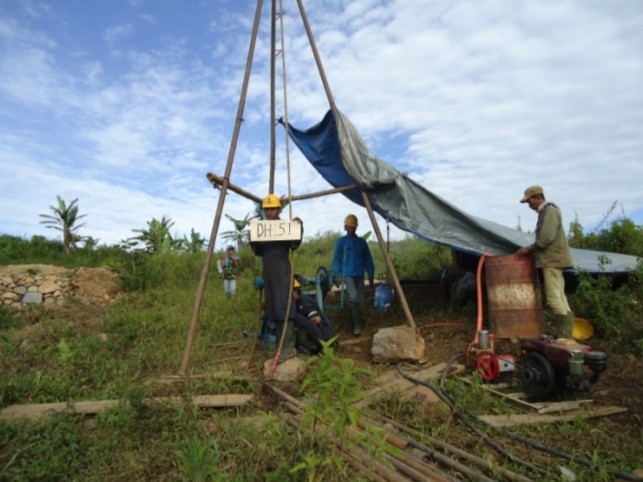
Soil investigation is a method to gain data and analyse geological and geotechnical conditions for various purposes such as foundation design, mining exploration, slope stability, road construction, etc.
Our service covers coring and non-coring drilling and in-situ testing, such as Standard Penetration Test (SPT), Cone Penetration Test (CPT), Field Vane Shear Test and Permeability Test.
Our service also provides disturbed and undisturbed samples to soil laboratories for analysing index and engineering properties such as:
- Water content,
- Density test,
- Particel size grading,
- Atterberg limits,
- Specific gravity, etc
Download our brochures:

Advantages and Purpose
Advantages of Soil Investigation
Geotechnical investigation and exploration provides accurate data that serves as a critical input for structural design. These measurements ensure that every aspect of the project is based on reliable subsurface information.
- Project owners can ensure their buildings are structurally stable and durable for long-term use.
- Engineering consultants also benefit by being able to deliver precise and appropriate designs that align with the actual soil conditions encountered on site.
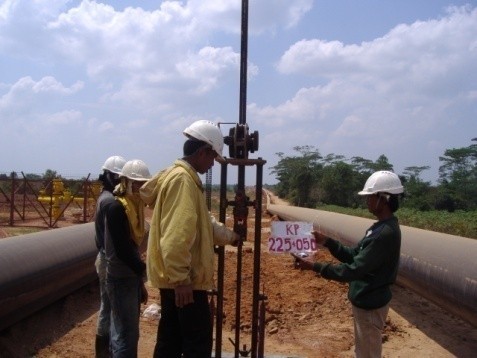
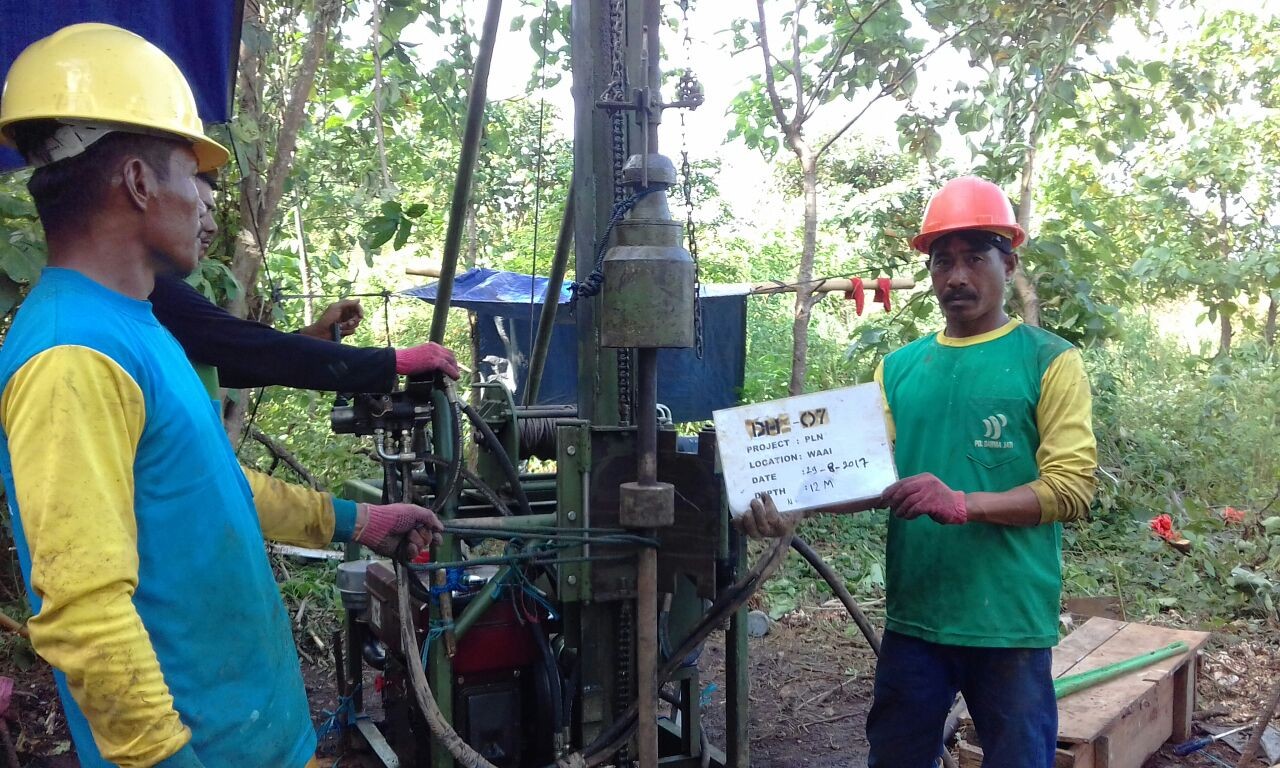
Purpose of Soil Investigation
- To assess a sub-surface condition of the soil.
- To obtain groundwater data and condition.
- To measure the in-situ undrained shear strength of soil deposit.
- To retrieve high-quality, undisturbed soil samples for laboratory testing.
- To identify and analyze the geotechnical properties of the soil materials.
Subservices
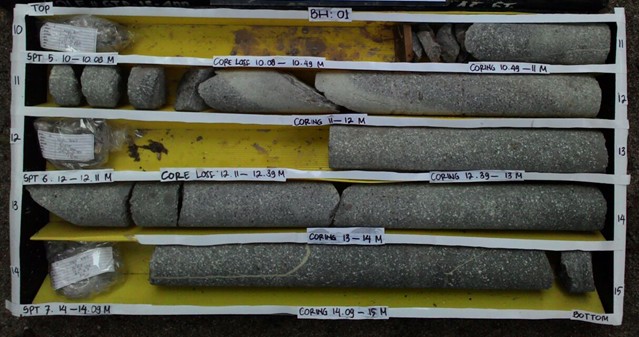
Deep Boring Test
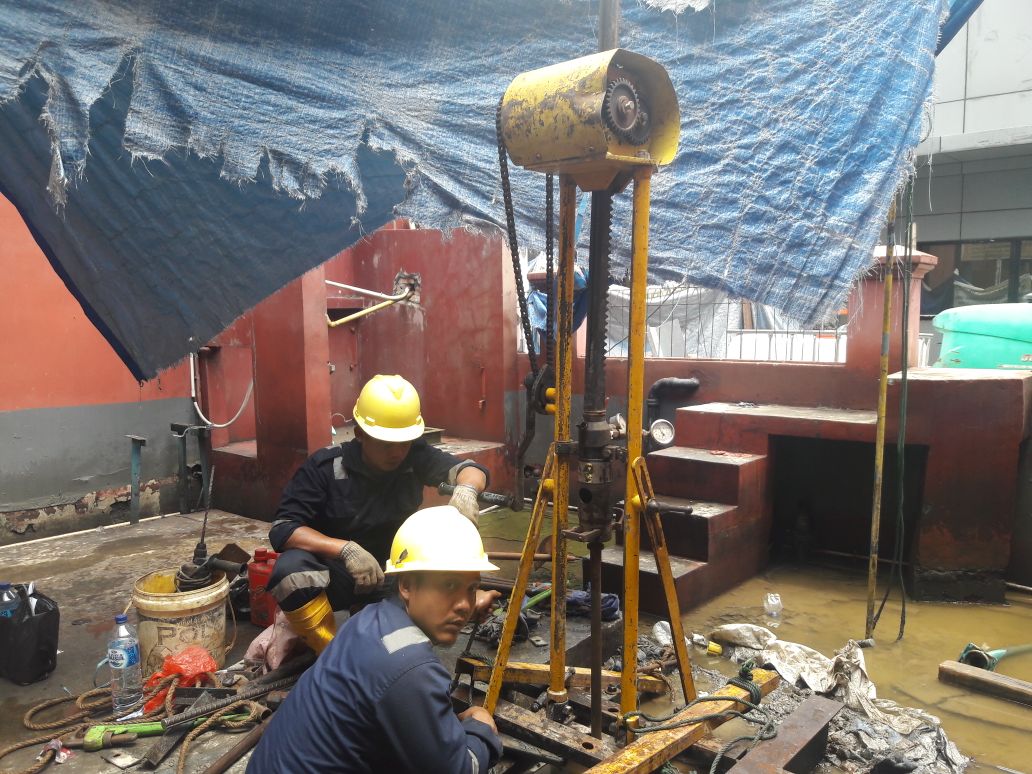
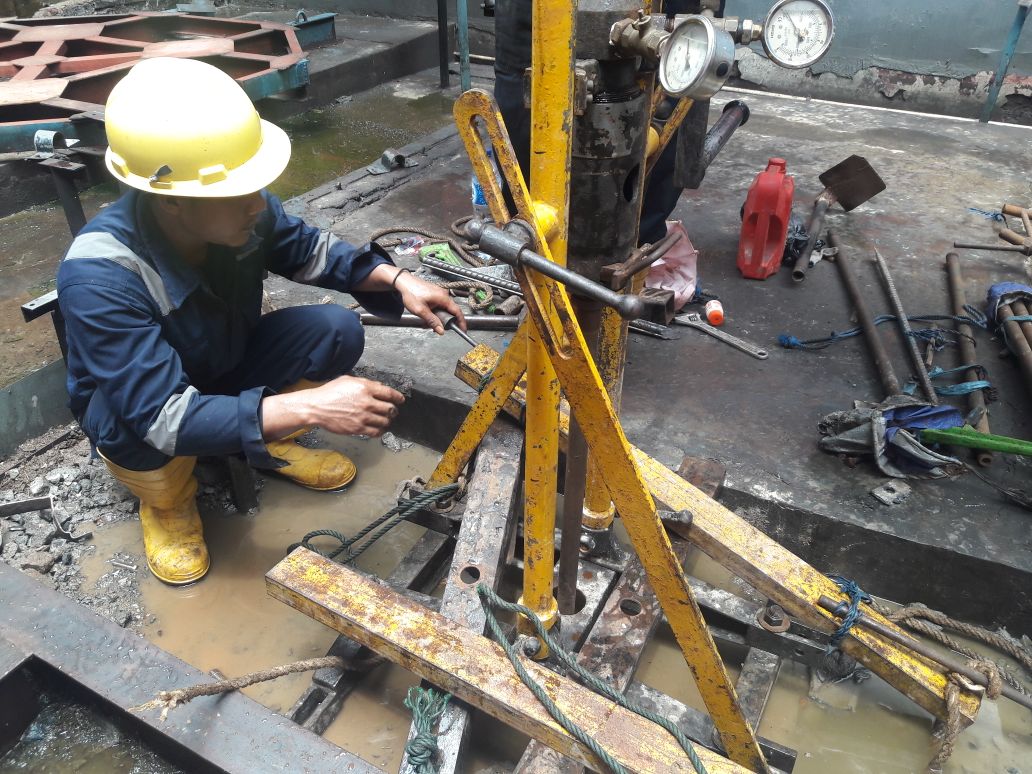
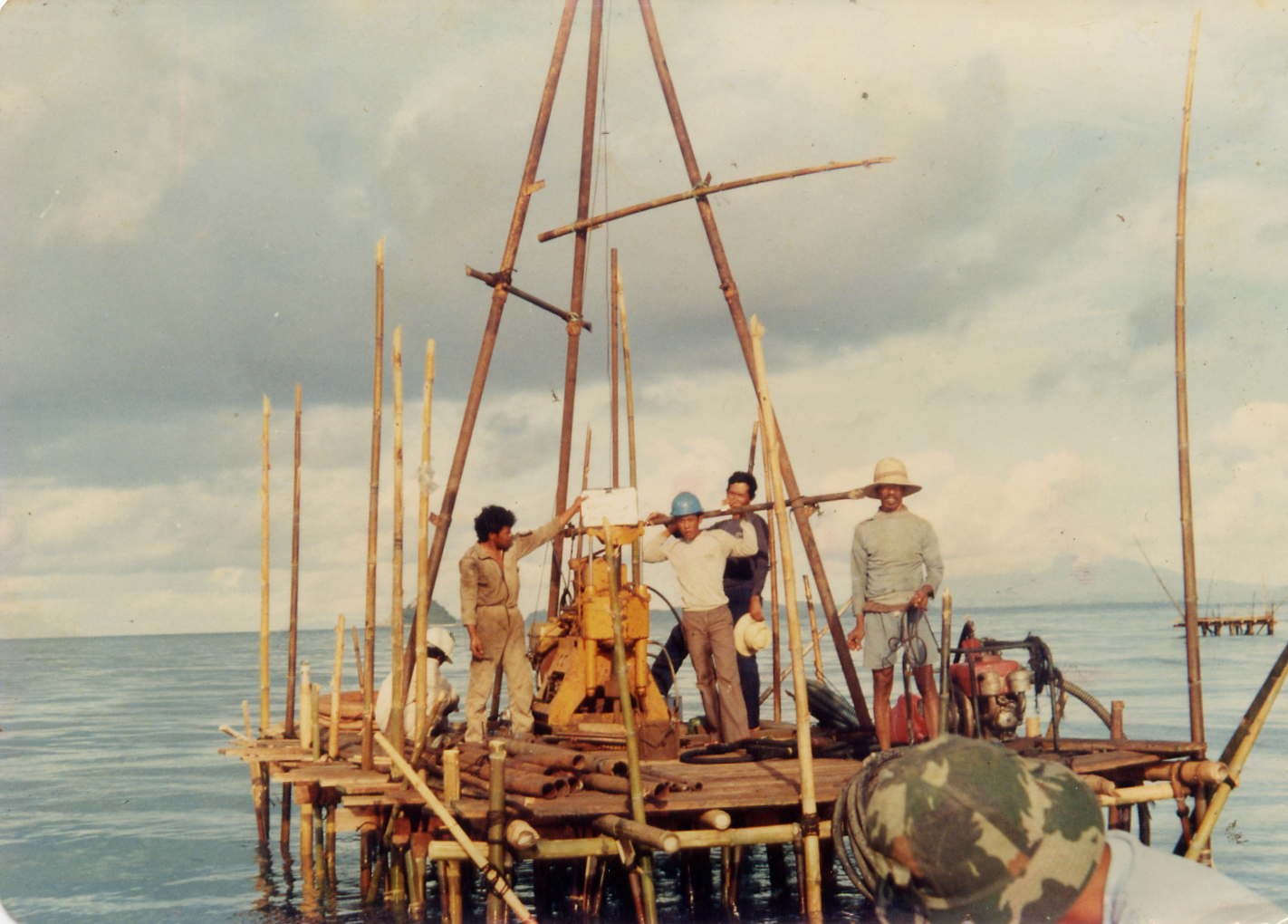
A deep boring test is a geotechnical technique used to examine the physical and mechanical characteristics of subsurface soils at substantial depths. This method involves drilling deep boreholes into the ground to collect soil and rock samples for analysis. It is utilized to assess the soil's load-bearing capacity, stability, and suitability for construction projects like high-rise buildings, bridges, and tunnels.
Drilling work procedure and equipment follow ASTM D 420-98, ASTM D 2488-00, and ASTM D 2113-99.
The drilling termination will vary after confirming more than 5m thick of hard or dense soil layer with SPT N-value greater than 50 or after 30m depth, whichever occurs first.
Boring method: Full coring
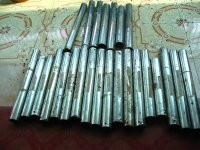
Undisturbed Soil Sampling
UDS (Undisturbed Soil Sampling) is a geotechnical technique used to collect soil samples while preserving their natural structure, moisture content, and mechanical properties by putting the soil sample in a Shelby tube sampler (a thin-walled tube sampler). This method ensures that the soil sample remains intact and undisturbed, providing accurate data about the in-situ conditions of the subsurface.
UDS is essential for reliable soil investigation, particularly in critical construction projects that require precise geotechnical data. The soil samples are transported for further testing in a soil mechanics laboratory.
Undisturbed sampling procedures comply with ASTM D 1587-00 and ASTM D 4220-95 standards.
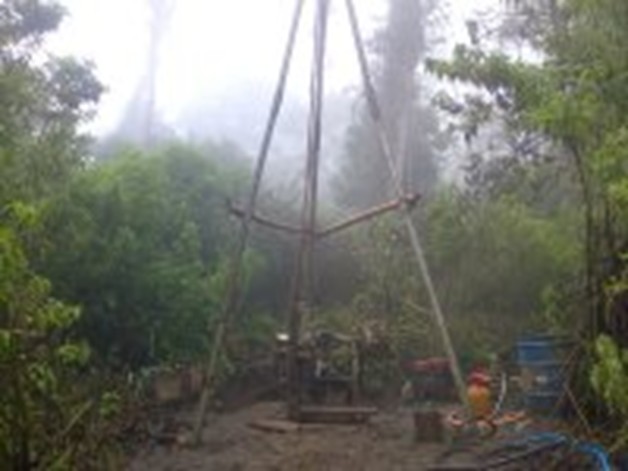
SPT Test
The SPT test is a test to assess the density and strength of subsurface soils based on empirical correlation, which is widely proposed by geotechnical experts. This test helps provide crucial data for designing safe and stable foundations in construction projects.
Key objectives are determining soil density and consistency, evaluating the bearing capacity of the soil, and identifying soil stratification and properties.
It involves driving a split-barrel sampler into the ground at regular depth intervals using a standardised hammer and recording the number of blows required to penetrate a specific distance.
SPT test also provides disturbed soil samples that can be used for soil identification as well as laboratory tests for index properties.
CPT Test
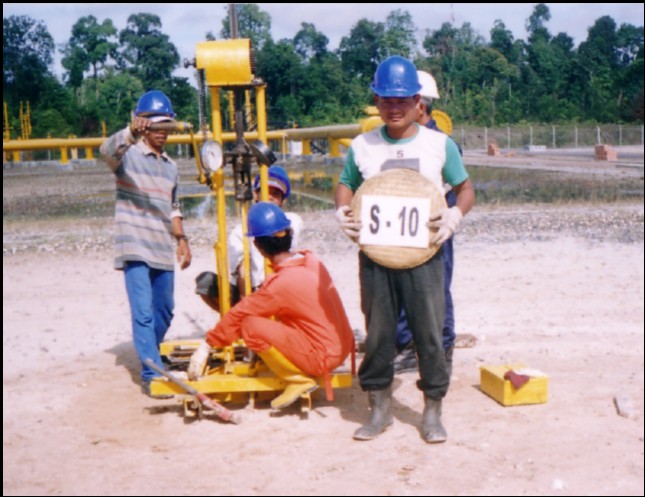
The Dutch Cone Penetration Test (CPT) is a geotechnical method used to determine the mechanical properties of subsurface soils. It involves pushing a cone-shaped probe into the ground at a constant rate while continuously measuring the resistance of the cone tip (cone resistance) and the friction on the sleeve (sleeve friction).
This test examines:
- soil profile,
- relative density (of sand deposits),
- soil strength,
- soil stiffness,
- soil permeability or coefficient of consolidation,
- pile skin friction, and
- pile end-bearing capacity.
CPT provides fast, accurate, and detailed soil profiles, making it a reliable tool for designing foundations and assessing site conditions.
Hand Boring and Soil Sampling
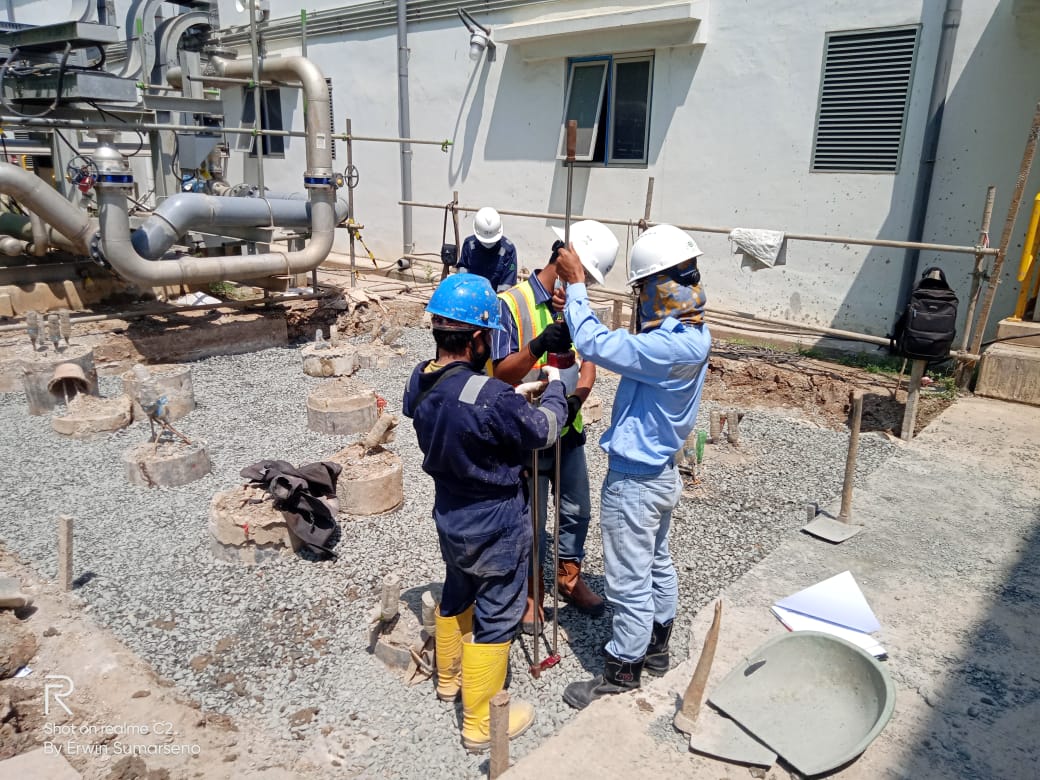
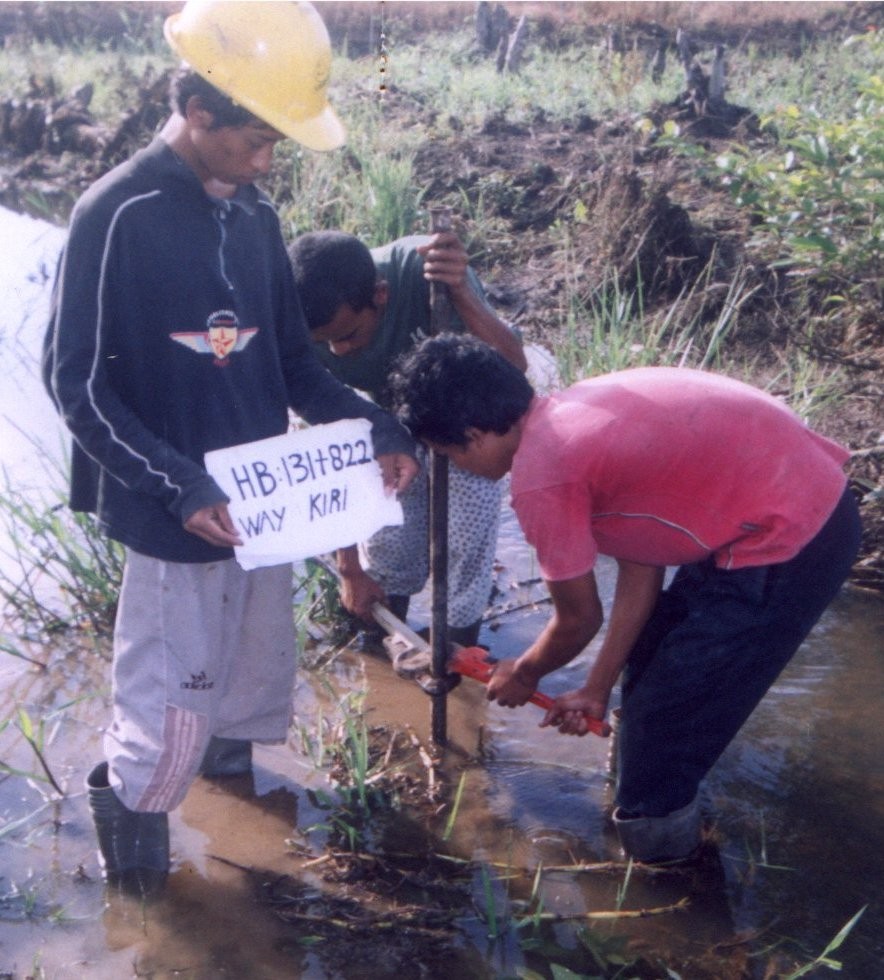
Hand Boring and Soil Sampling is a manual soil investigation method using handheld drilling machine to create boreholes and retrieve soil layer samples for characteristic analysis. The data obtained during drilling is recorded in field logs (Bore Logs) and includes the project identification, borehole number, location, orientation, start and completion dates, driller's name, borehole collar elevation coordinates, soil classification/description (consistency, color, weathering degree, and other relevant identities), lithological description, groundwater conditions, sampling intervals, in-situ borehole testing, etc.
Undisturbed soil samples are retrieved from specific depths using a Shelby tube sampler (thin-walled tube sampler). These soil samples are protected from shocks, vibrations, and moisture changes to maintain the soil’s original physical structure and composition until they are extruded for laboratory testing.
Dynamic Cone Penetrometer Test
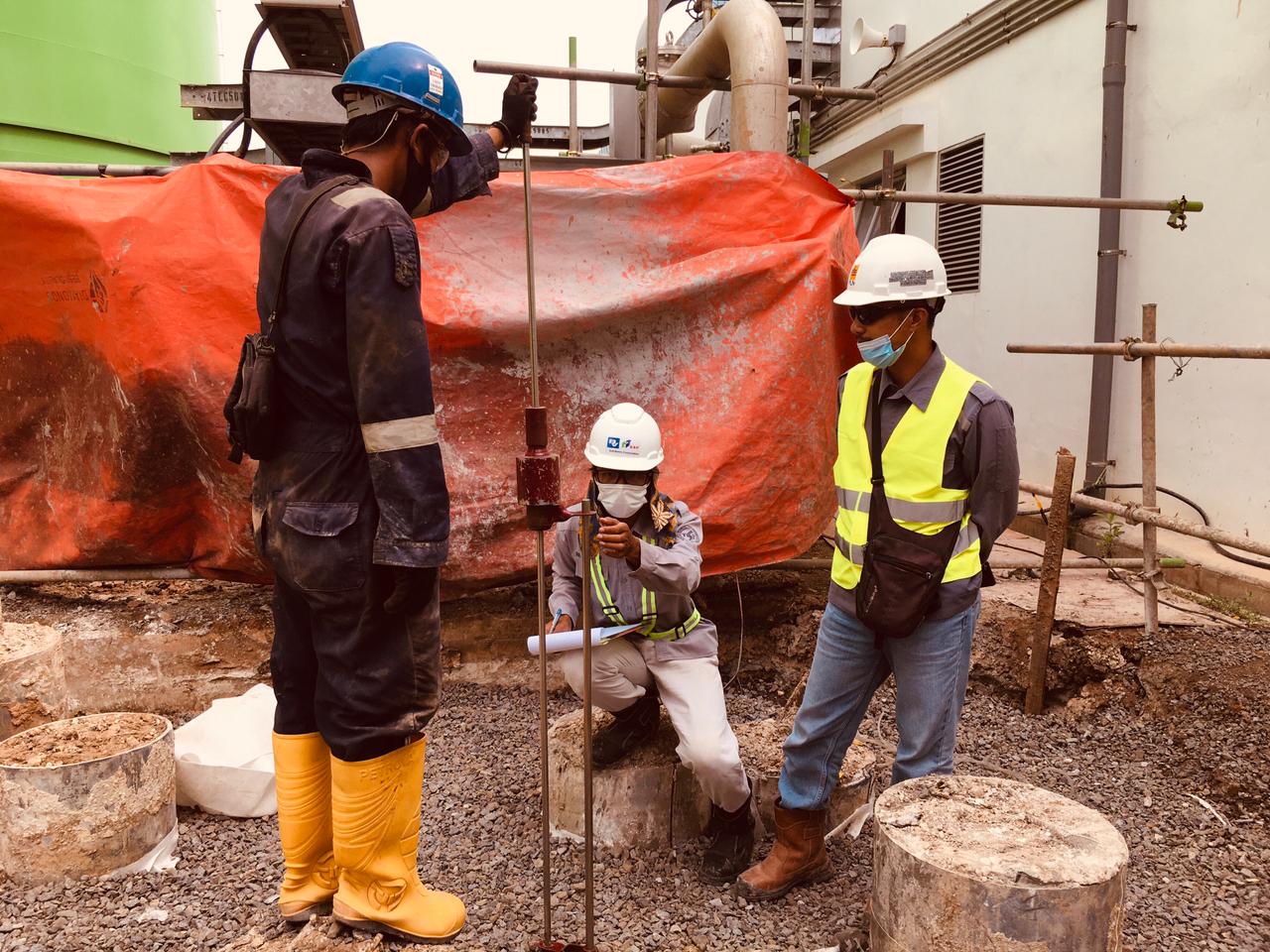
The Dynamic Cone Penetrometer (DCP) Test is used to assess soil density by repeatedly dropping a heavy weight from a fixed height onto the soil surface.
This process induces vibrations and high impact energy into the soil, compacting loose granular materials to greater depths. During testing, the amount of surface settlement and the depth of influence are recorded to evaluate how well the soil has been compacted.
This method is particularly useful for improving reclaimed land, sandy soils, and areas with uncontrolled fill.
Other Field Investigation Test:
- California Bearing Ratio (CBR) Test
- Plate Loading Test
- Field Density (Bulk & Dry),
- In-Situ Vane Shear
- Permeability Test
Soil Mechanical Laboratory Test
The soil mechanical laboratory test consists of undisturbed samples testing or disturbed samples testing that are taken away from site. The purpose of this work is to understand the nature of mechanic and physical of soil.
Testing of soil in laboratory will be done based on standard according to American Society Testing Materials for (ASTM) or American Association State Highway Transportation Officials and of (AASHTO), while soil classification standard pursuant to standard of Unified Soil Classification System (USCS).
Analysis works including data calculation, analysis and evaluation to prepare a recommendation which is including,
- Foundation system plan
- Bearing capacity analysis
- Settlement analysis
- Slope stability analysis
- Soil improvement recommendation
- Other related engineering analysis
Testing of Nature of Physical Soil
- Classification and Index Properties
- Moisture Content, Unit Weight (Density)
- Particle Density (Specific Gravity)
- Particle Size Distribution (Sleving and Hydrometer)
- Dry Density and Moisture Content Relationship
- Atterberg Limits (Liquid Limit, Plastic Limit, and Shrinkage Limit)
Testing of Engineering Properties of Soil for Applicable Samples
- Unconfined Compression (UC)
- Unconsolidated Undrained (UU) Triaxial Compression
- Consolidated Undrained (CU) Triaxial Compression
- Consolidated Drained (CD) Tiraxial Compression
- Direct Shear (Undrained and Drained)
- Oedometer Consolidation
- California Bearing Ration (CBR)
Soil Analysis Work
Our analysis services encompass comprehensive data processing, calculation, and geotechnical evaluation to support sound engineering decisions. The outcome of our analysis includes detailed recommendations and design considerations, such as:
- Foundation System Plan: Designing a suitable foundation system based on subsurface conditions and project requirements to ensure structural stability and long-term performance.
- Bearing Capacity Analysis: Evaluating the soil’s ability to support structural loads safely, with detailed calculations to determine the optimal bearing capacity.
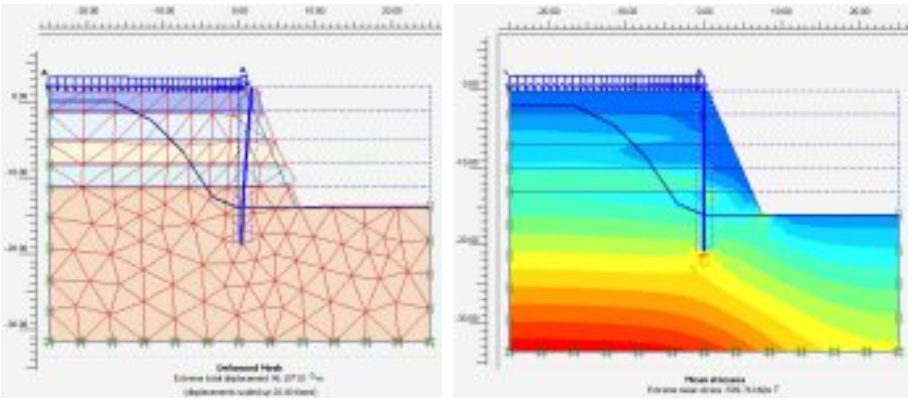
- Slope Stability Analysis: Predicting and assessing potential soil settlement under load to minimize structural distortion and ensure serviceability.
- Soil Improvement Recommendation: Identifying necessary soil enhancement methods—such as compaction, stabilization, or replacement—to improve ground performance and meet engineering criteria.
- ...and other related engineering analysis
Our Projects