DRIVEN NAIL
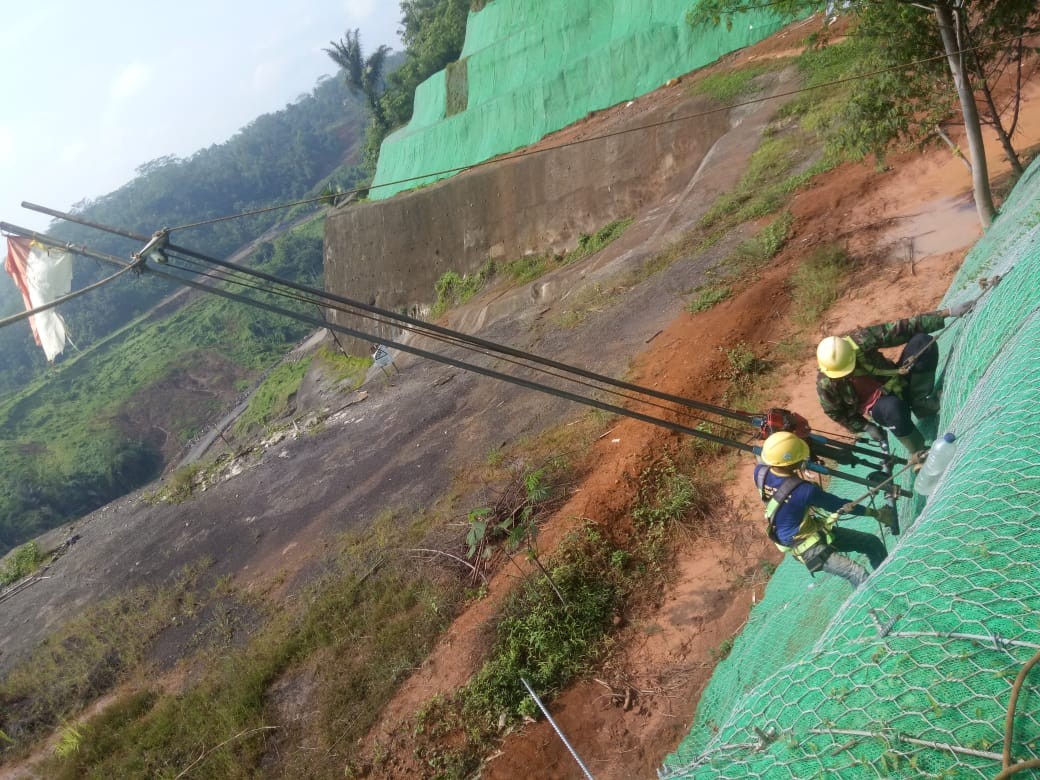
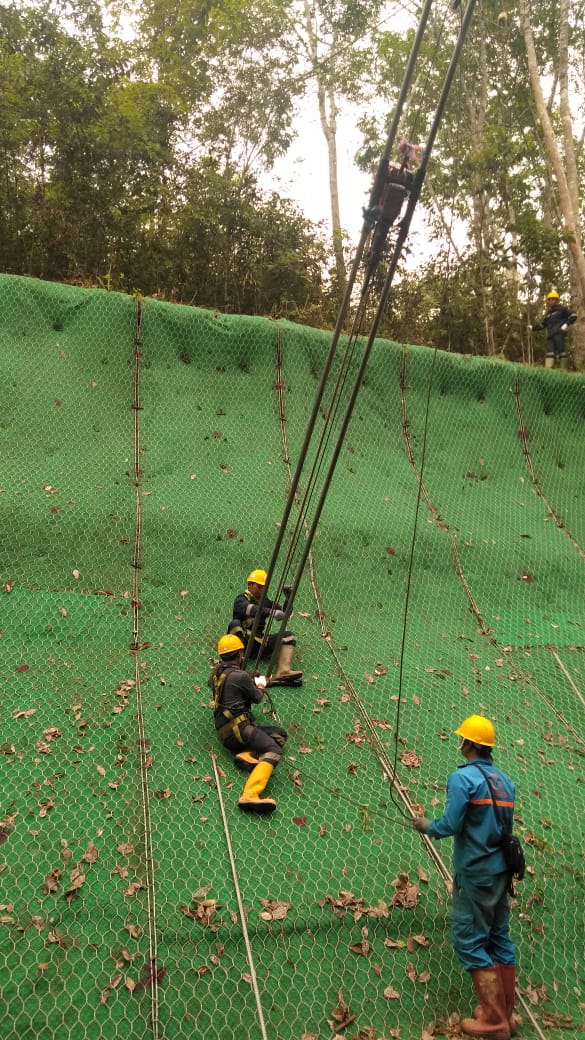
Driven nail is a soil stabilization technique similar to soil nailing, but it utilizes a drive installation method for reinforcing bars without the need for drilling—offering a fast and economical solution for specific soil conditions. Driven nails can be used to reinforce slopes, excavations, and retaining walls. Steel bars are driven into the ground to act as inclusions that enhance the shear strength of the soil structure, thereby improving overall ground stability.
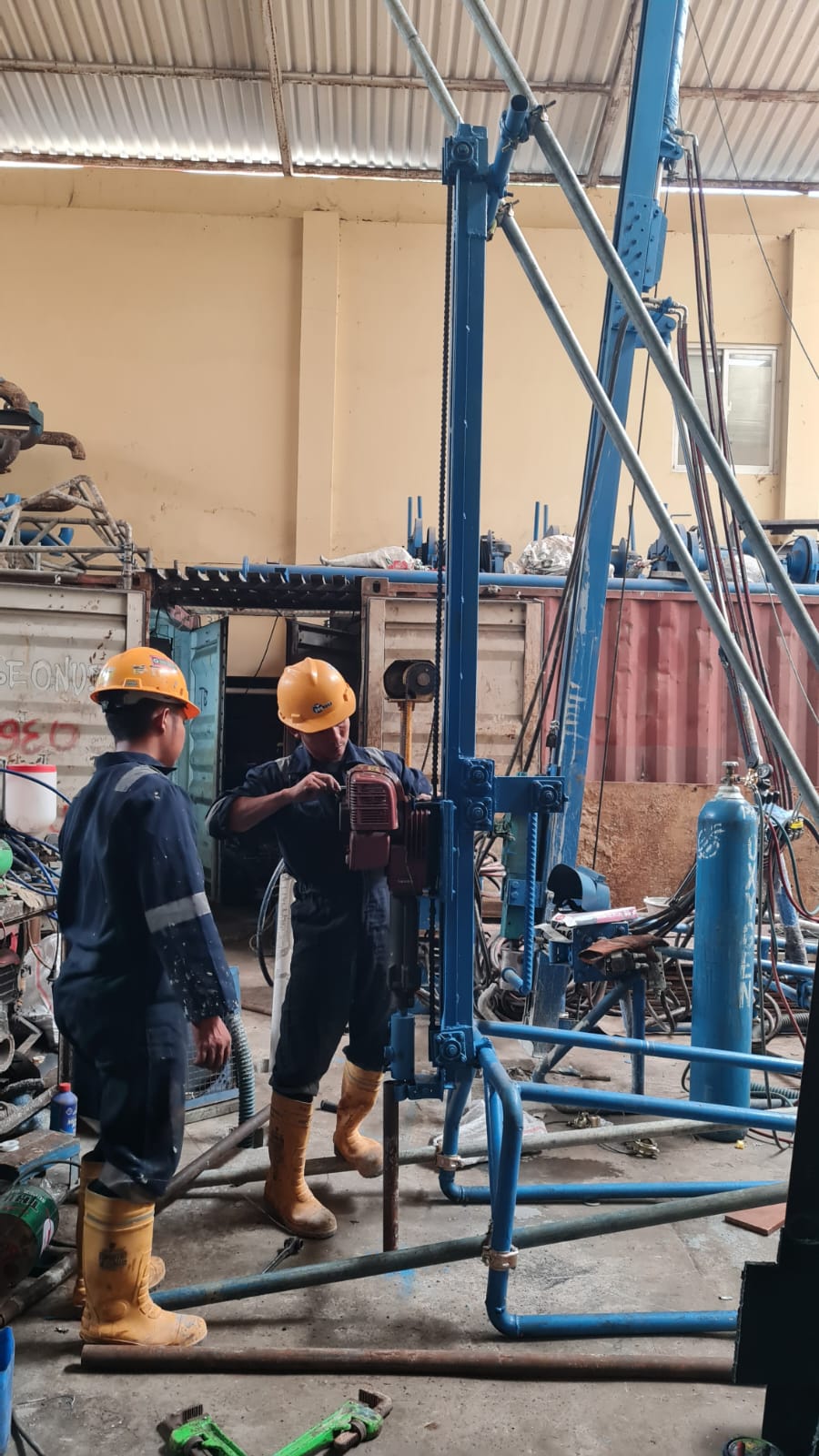
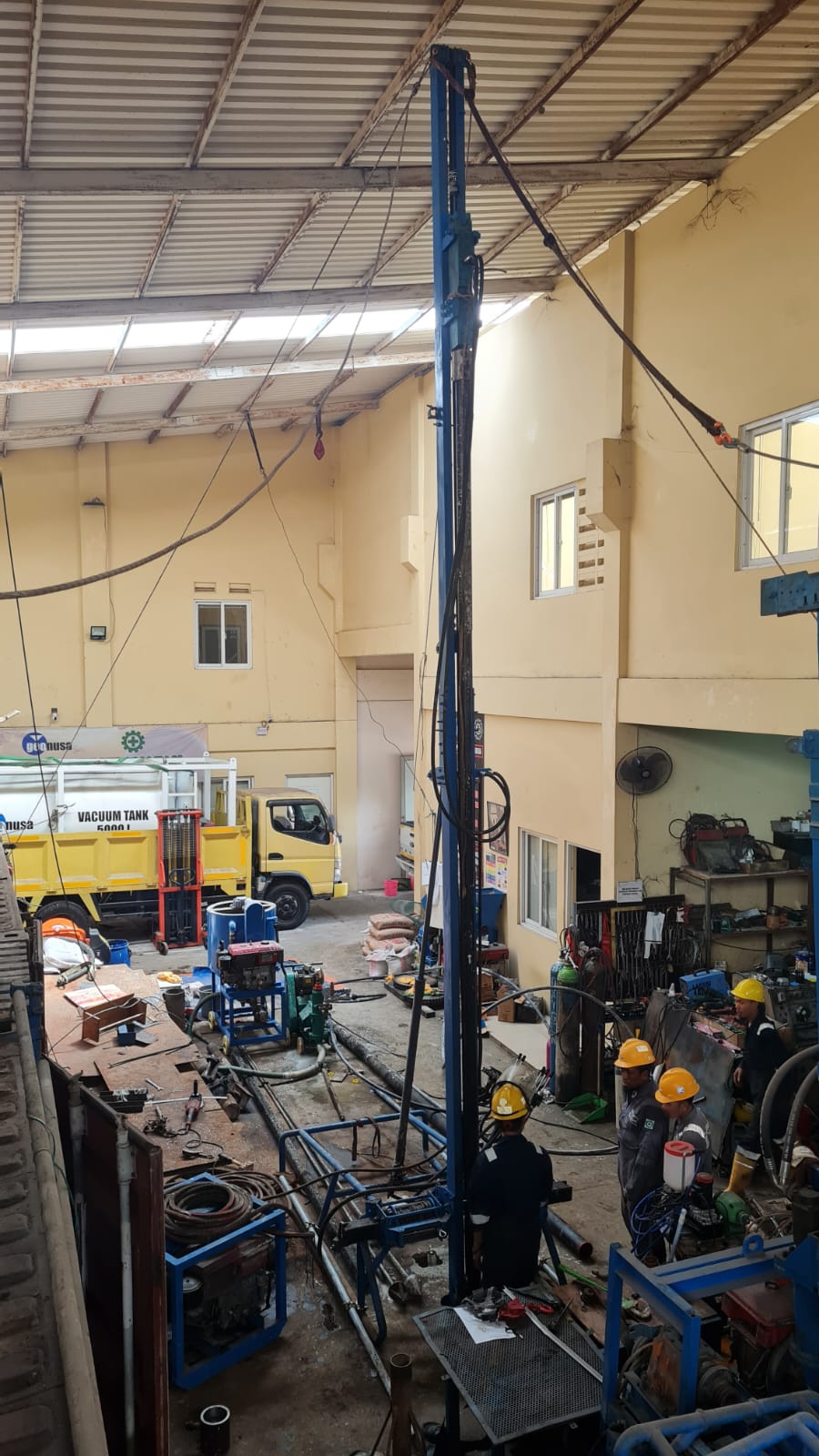
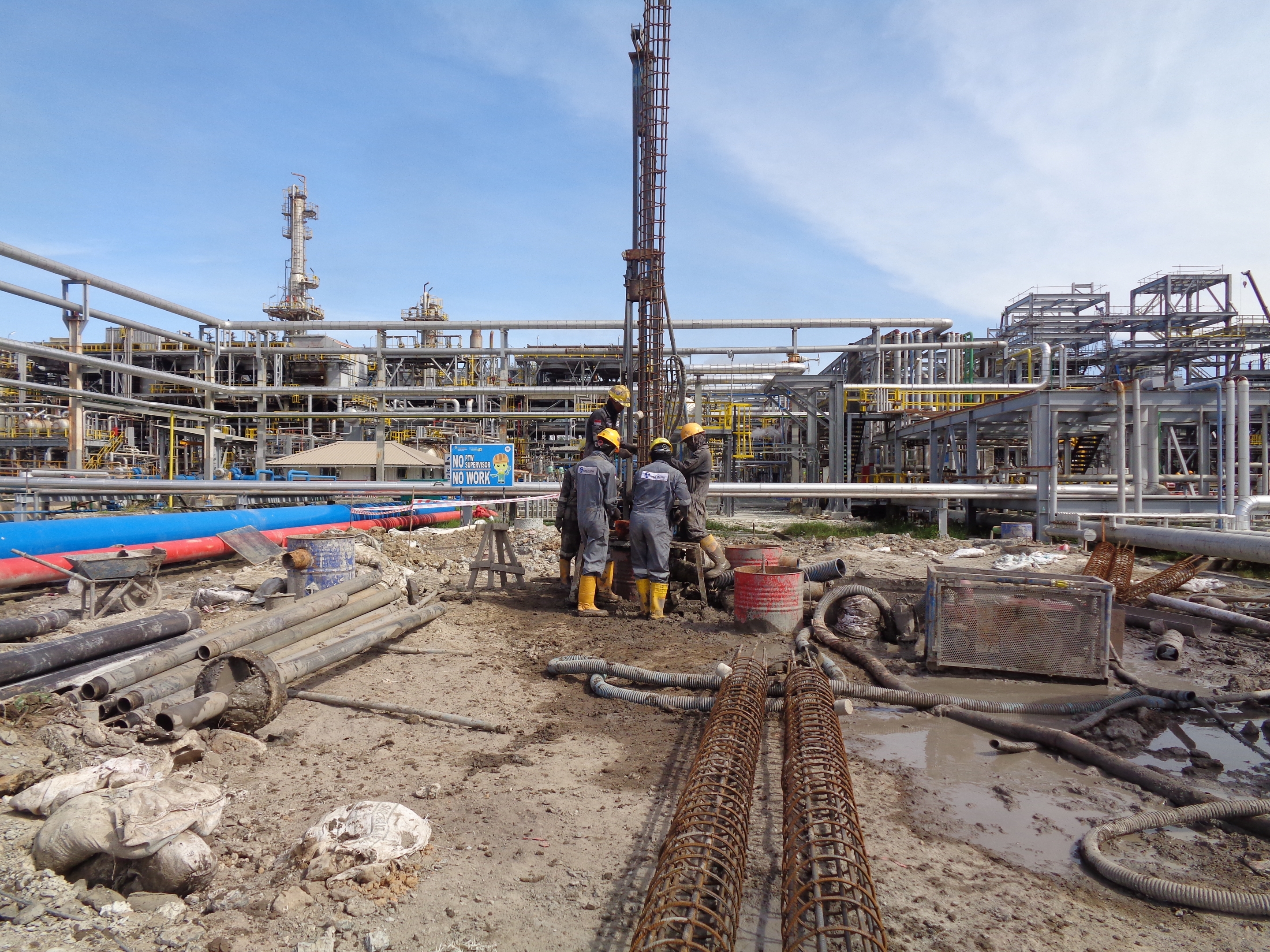
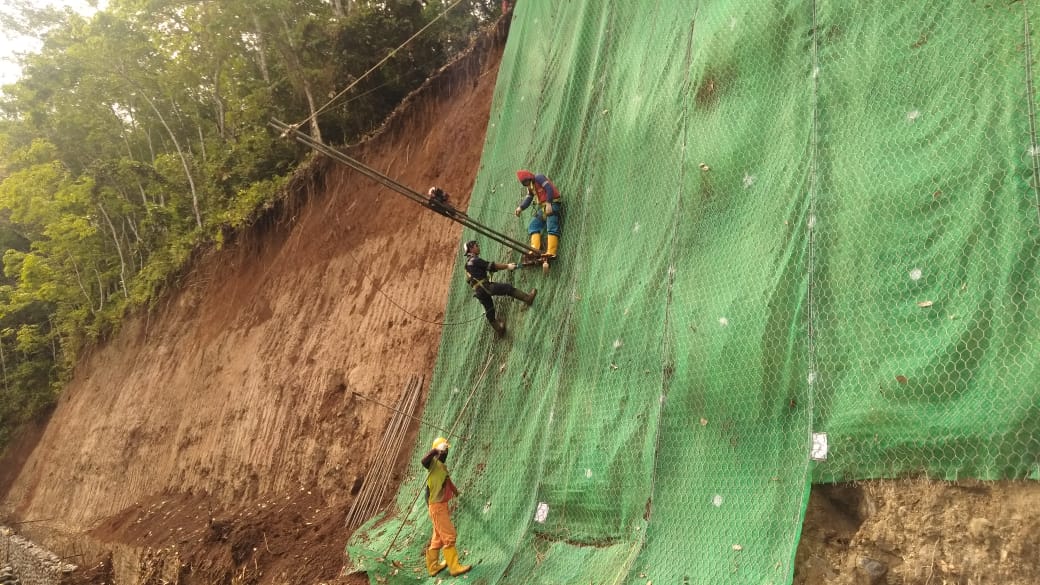
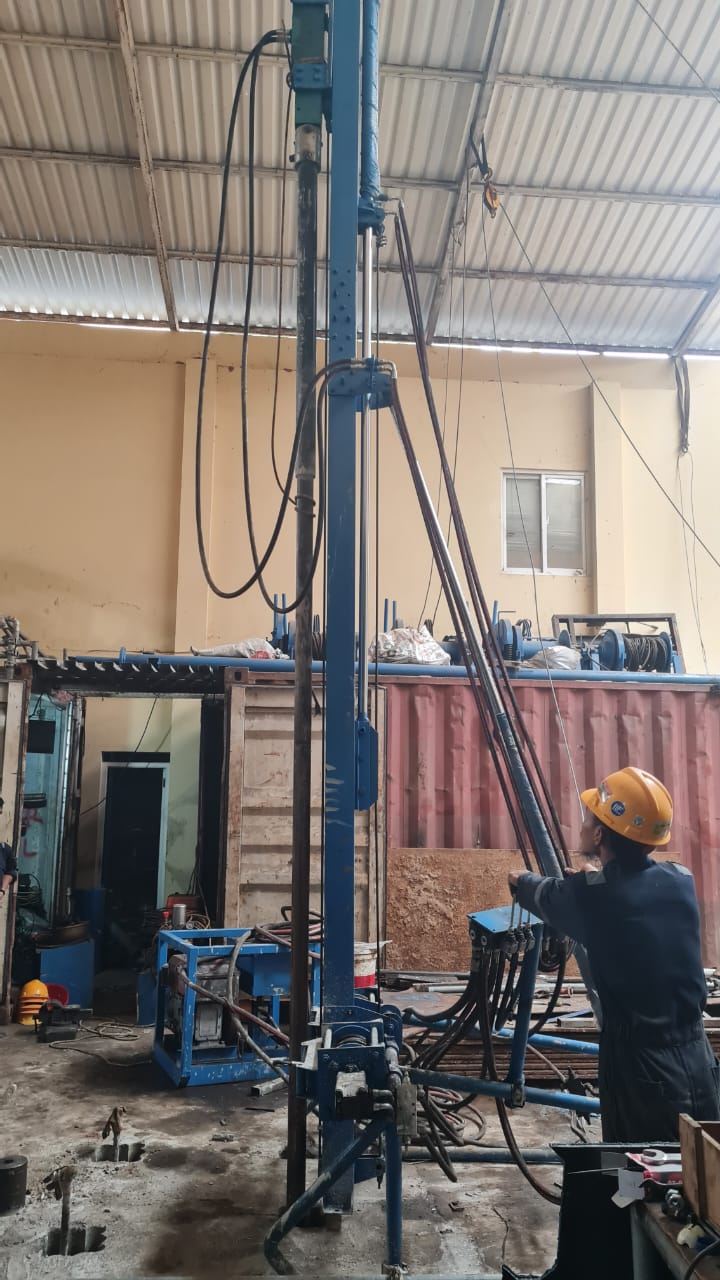
The installation of driven nails is performed using a vibratory hammer mounted on a rig. We operate rigs of various heights to accommodate different overhead clearance requirements. Driven nails can be installed either with or without grouting.
This technique is particularly effective in expansive soils where drilling with water could compromise soil stability. The process is generally faster and more cost-effective than traditional soil nailing, making it ideal for construction projects that require immediate action or where minimal environmental impact is a priority. However, the driven nail method is not suitable for ground conditions containing large boulders or hard rock formations.
Download our brochures:

Driven Nail Types
Driven Nail Without Grout
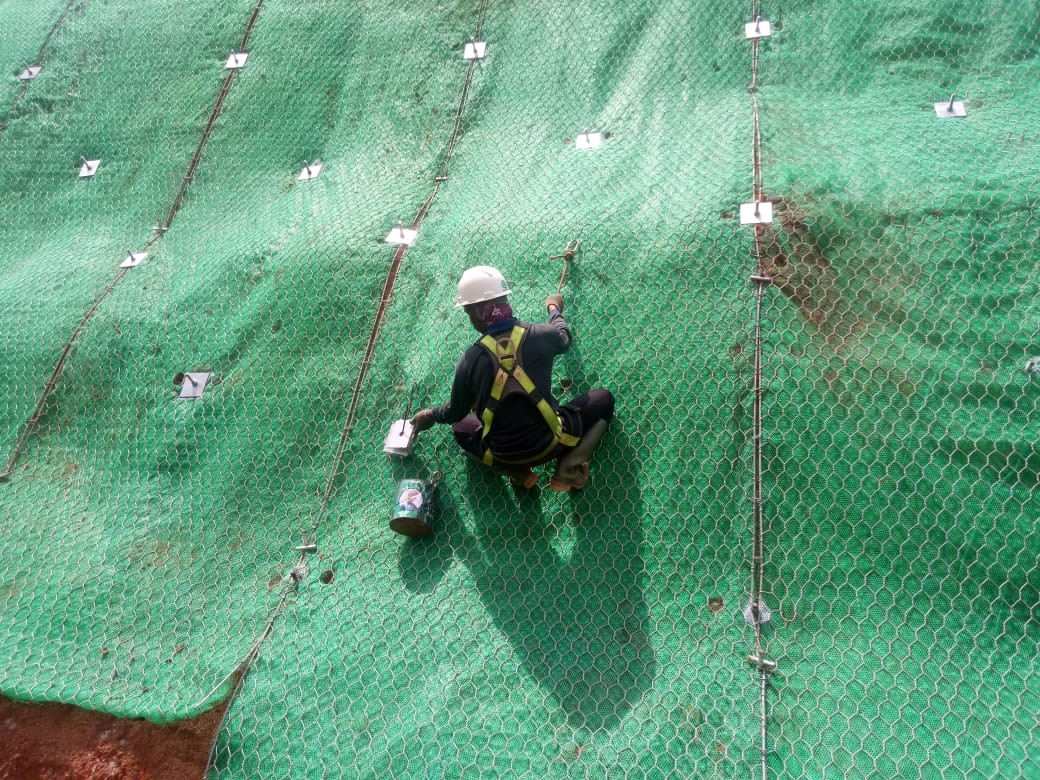
Driven nails without grout are installed by driving the rebar directly into the soil, allowing for the immediate attachment of the endplate, secured with a nut and washer. To ensure long-term durability, the rebar, endplate, nut, and washer are treated with corrosion protection. Once installation is complete, the driven nail is capable of supporting loads immediately. This feature is critical for conditions requiring instantaneous structural slope stabilization.
Driven Nail with Grout
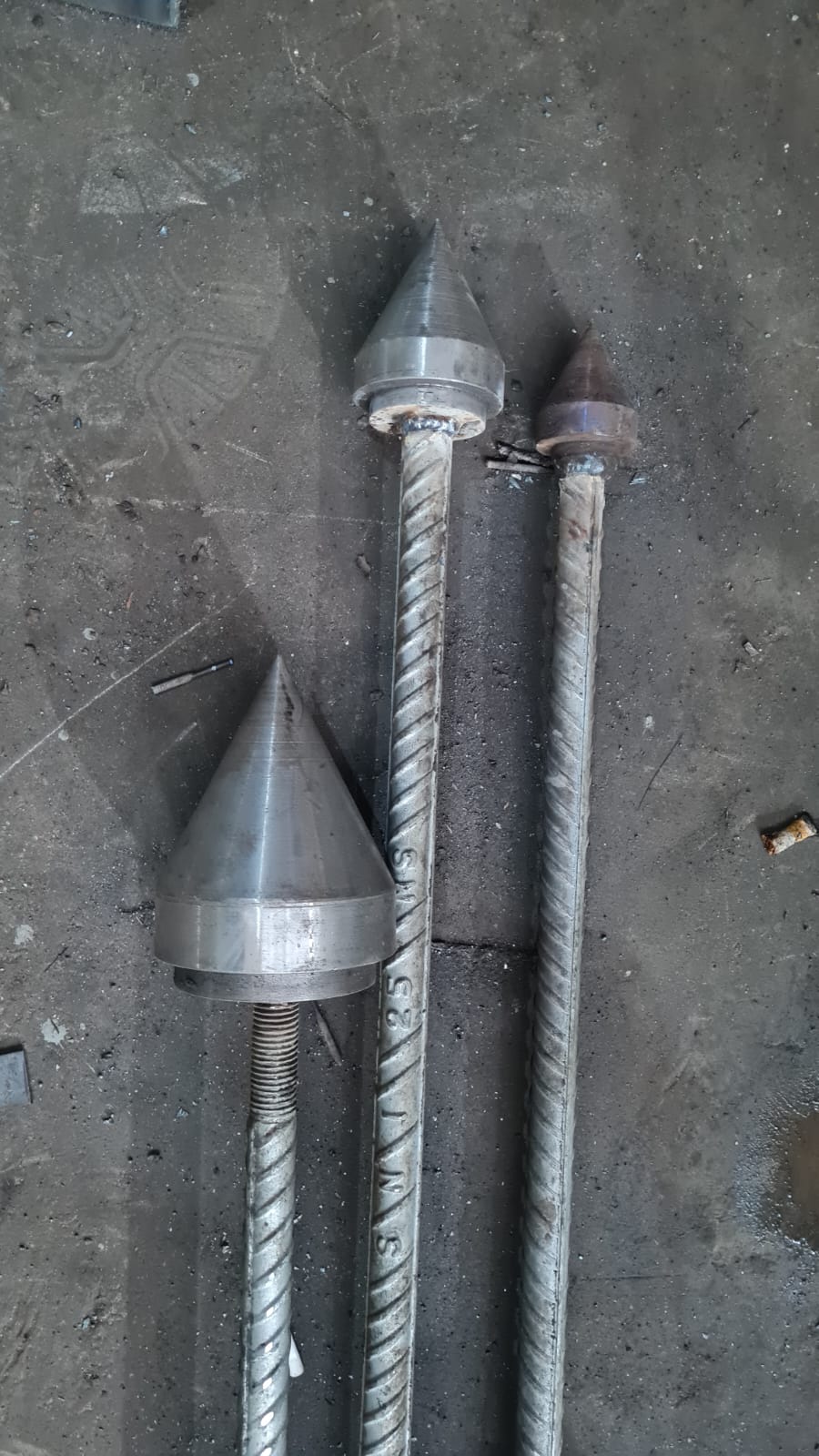
The grouted driven nail method involves driving a rebar equipped with a specialized nail head at its tip. During the driving process, a casing is used as a protective sleeve and a drive tool. The diameter of the nail head is designed to be larger than the casing diameter, allowing the nail head to act as an anchor that locks into the soil structure. The length of the steel bar can be customized to design specifications, by using mechanical couplers available for extending the rebar as needed.
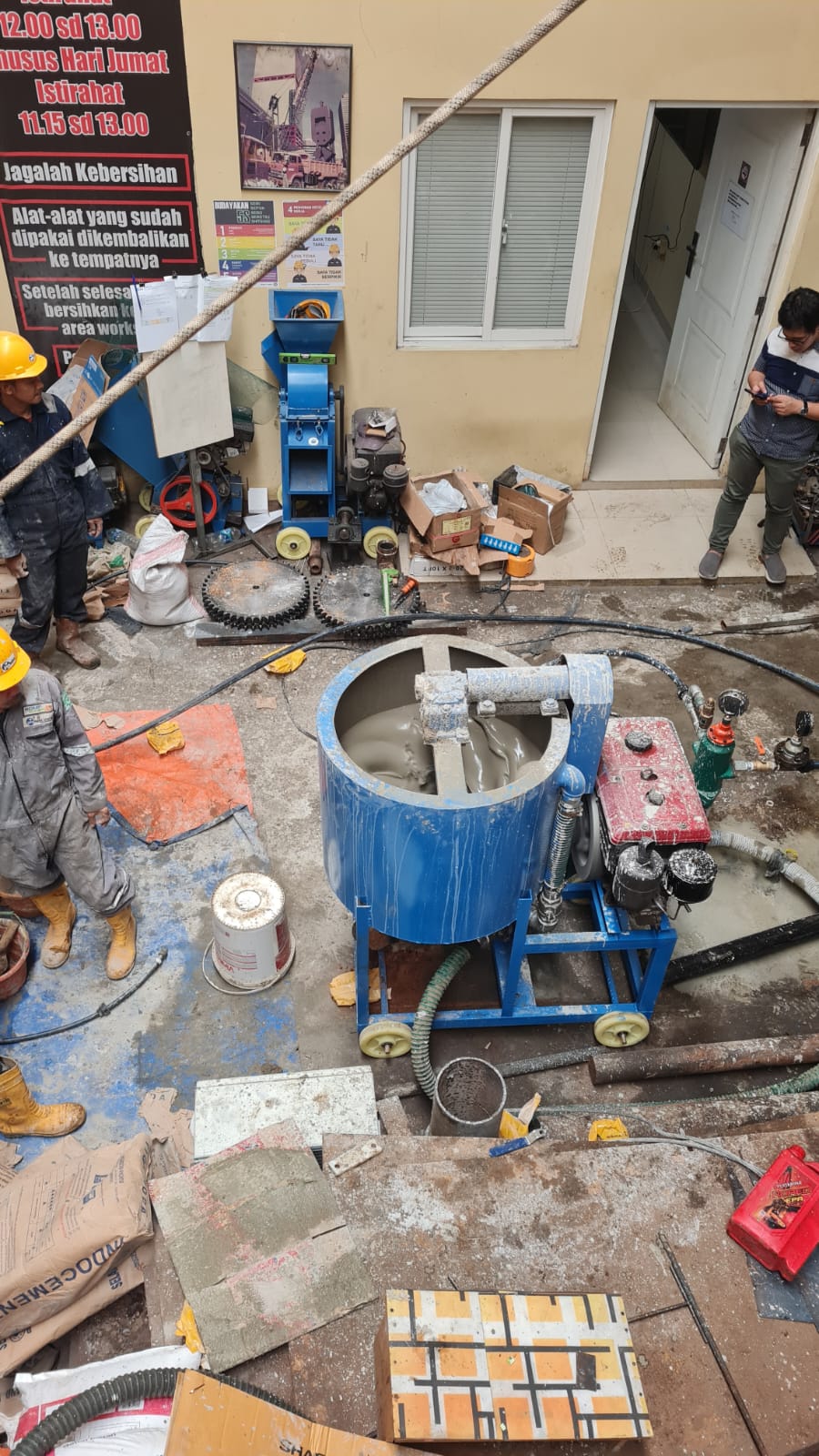
Once the casing reaches the required depth, it is retracted simultaneously as the void between the rebar and the borehole wall is filled with pressurized grout. Depending on the grout mix used, it functions as either compaction grout or pressure grout. This grouting process enhances the capacity of the driven nail by densifying the surrounding soil or penetrating soil fractures with grout.
Applications and Benefits
Applications of Driven Nail
- Slope Stabilisation: Used on natural slopes, embankments, or cuttings to prevent landslides.
- Excavation Support: Provides stabilization for vertical or near-vertical cuts during road, building, or infrastructure excavation.
- Retaining Structures Reinforcement: Strengthens retaining walls or embankments that show signs of distress or require additional stability.
- Highway & Railway Cuts: Applied on cut slopes along transport corridors to reduce erosion and failure risks.
- Temporary Works: Used in construction sites as temporary support where speed and cost-efficiency are crucial.
Benefits of Driven Nail
- Faster Installation: Eliminating the need for drilling and, therefore, suitable for projects with tihgt schedules.
- Cost-Effective: Lower material, equipment, mobilisation, and site preparation costs compared to fully grouted soil nails.
- Immediate Reinforcement: Provides instant resistance once driven into the suited ground—no curing time required like grouted systems.
- Simple Equipment Needs: Can be installed using readily available equipment (jackhammers, vibratory hammers, or small rigs)
- Reduced Ground Disturbance: Minimal soil removal compared to drilled nails, making it suitable for areas with sensitive soil conditions.
- Versatile Use: Can be applied in both cohesive and granular soils, especially effective in medium-dense to dense soils.
Work Method
Driling process:
- Drill Setup: Create holes in pre-planned positions along the slope.
- Hole Drilling: Drill at an angle to the desired depth, depending on design specifications.
- Nail Installation: Insert steel bars into the drilled holes
- Grouting: Fill the hole with grout to bond the nail with the surrounding soil and prevent corrosion.
- Surface Treatment: Install facing material (e.g., shotcrete) for additional stabilisation.
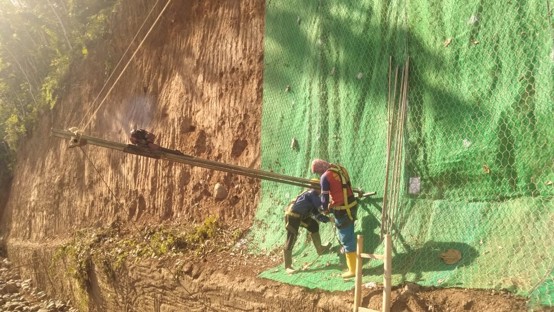
Our Projects
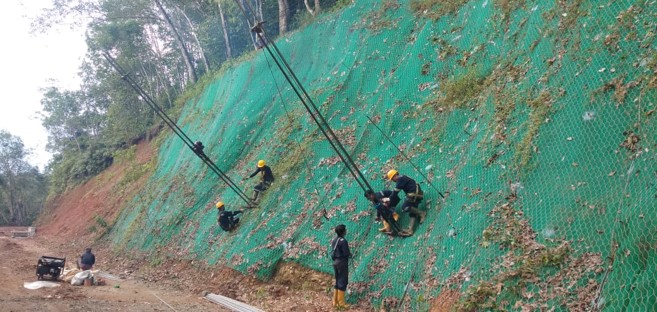
Our Equipment
Our compact hydraulic drilling technology enables precise driven nail installation in restricted access areas, delivering optimal results even in the most challenging work environments.