MICROPILE
A micropile is a deep foundation element constructed using high-strength grout with a maximum diameter of 250 mm. These piles are typically utilized in areas with restricted access or specific soil conditions that require deeper penetration to achieve the necessary load-bearing capacity.
Micropiles serve as an effective solution for underpinning existing structures or providing foundational support in confined spaces where traditional piling rigs cannot operate.
Standard micropile procedures typically include:
- Borehole drilling with diameters ranging from 3 inches to 10 inches.
- Installing reinforcement, which commonly consists of steel casing, grout, and/or high-strength rebar as per design specifications.
- Backfilling the borehole with cement grout, applied either under pressure or by gravity-feed method.
Download our brochures:

Applications and Benefits
Applications
- Enhancing load-bearing capacity in restricted or congested sites
- Seismic strengthening and retrofitting of existing structures
- Mitigating and controlling structural settlement
- Withstanding uplift forces and dynamic loading conditions
- Providing structural underpinning for existing foundations
- Offering excavation support in limited-access environments
- Forming reticulated pile walls for ground improvement and stability
Benefits
- Capable of carrying design loads ranging from 3 to over 100 tons
- Easily adaptable for resisting tension and uplift forces
- Effective across diverse soil and ground conditions
- Ideal for projects with low headroom or limited working space
- Generates minimal noise and vibration during installation
- Able to penetrate through obstructions or challenging ground layers
Micropile Types
Types of Micropile
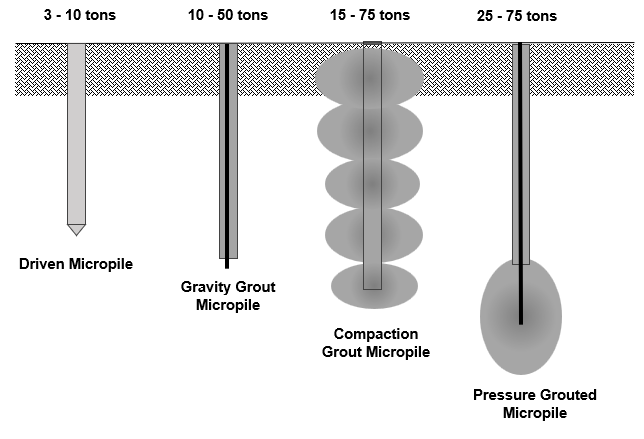
- Driven Micropile: Driven micropiles are small-diameter piles installed by driving steel pipes into the ground using a vibrator hammer. This method offers rapid installation with minimal soil displacement, making it ideal for projects with restricted access, existing structures, or tight schedules. Driven micropiles are commonly used to support new foundations or underpin existing ones across various soil conditions.
- Gravity Grout Micropile: Gravity grout micropiles are constructed by pre-drilling a borehole, followed by the installation of steel reinforcement bars or steel casing. The borehole is then backfilled with cement grout using a gravity-fed (non-pressurized) injection method. This technique is relatively simple yet highly efficient, and is generally applied in soil conditions with low pore water pressure and adequate geotechnical stability. This system provides reliable axial load-bearing capacity and is widely used for light-to-medium structural applications as well as foundation retrofitting works.
- Compaction Grout Micropile: Compaction grout micropiles utilize the pressurized injection of low-slump grout or mortar (water + cement + sand) to displace and densify the surrounding loose or soft soil while simultaneously reinforcing the pile itself. This dual function not only enhances the pile's load-bearing capacity but also improves the overall stability of the ground. Ideal for projects involving non-compacted soil or settlement issues, compaction grout micropiles serve as a powerful solution for strengthening foundations in both new construction and remediation works.
- Pressure Grouted Micropile: Pressure grouted micropiles utilize the injection of neat cement grout (water + cement) under high pressure to permeate the surrounding porous soil, thereby strengthening the soil matrix. This process creates a structural bond between the grout and the ground, significantly enhancing the pile's skin friction and overall load-bearing capacity.
Typical Micropile Method
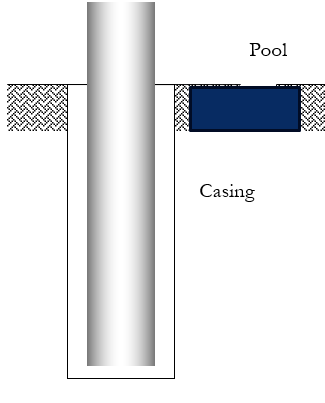
Drilling Work
- Rig needs to be positioned properly to avoid misalignment.
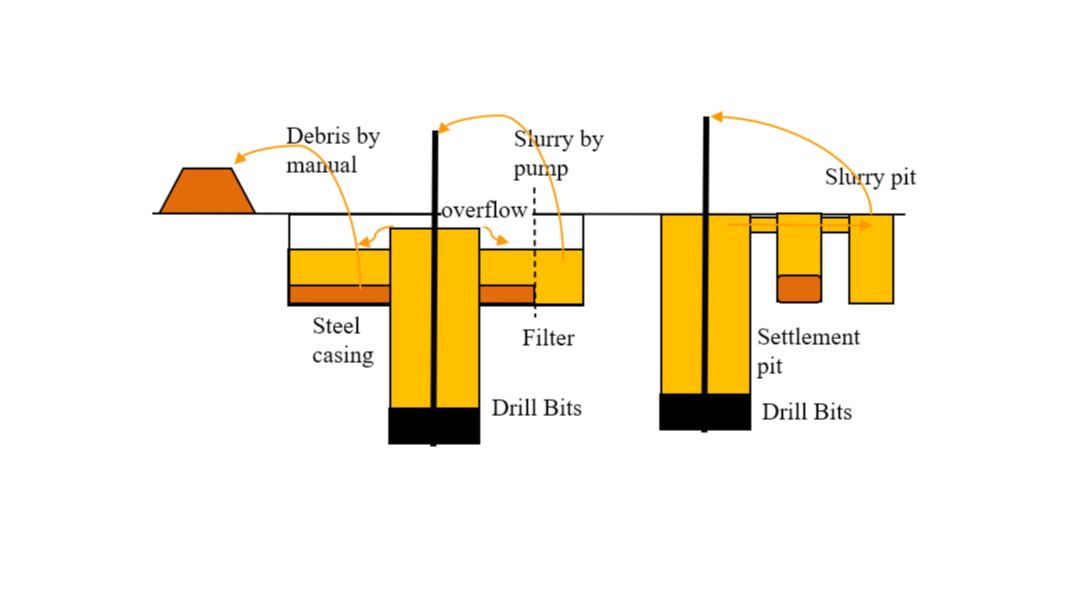
- Use the rotary wash boring method, where
- Drill bits attached to the bottom of a casing rotate to penetrate the ground.
- Water is used as the drilling fluid to flush out soil from inside the casing through fluid pressure.
- The drilling system includes:
- A steel casing to support borehole walls during drilling.
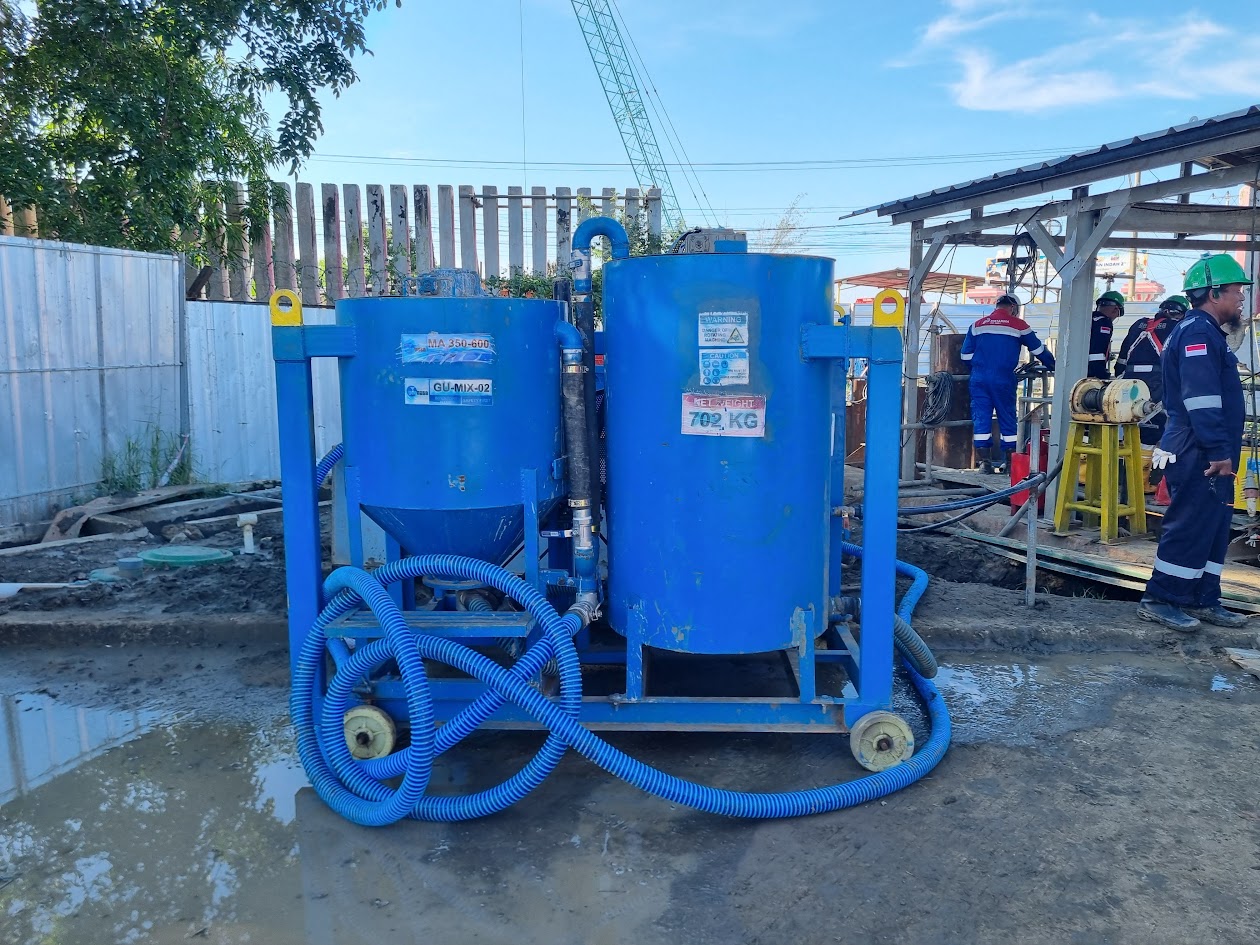
- Slurry circulation pumped into the borehole to aid soil removal and maintain wall stability.
- Overflow slurry is filtered to remove large debris manually.
- The filtered slurry moves to a settlement pit where heavier particles settle.
- Cleaner slurry is then recirculated back into the slurry pit, creating a closed-loop system for efficient, continuous drilling.
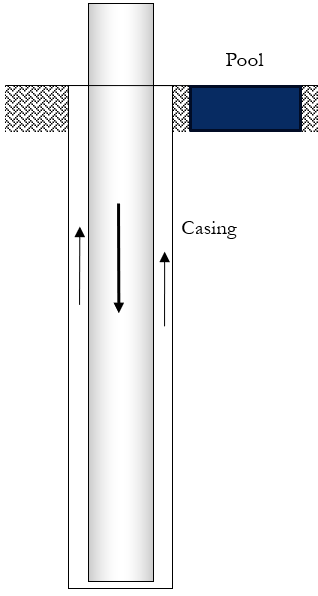
Hole Cleaning after Drilling
- Once the final depth is achieved:
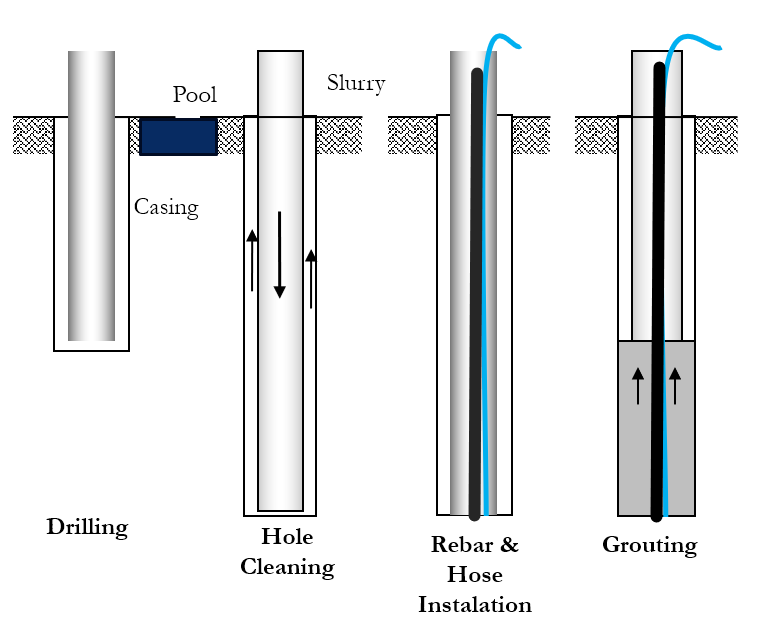
- Flush the borehole with clean water to remove remaining loose debris, slurry, and fines.
- Ensure the borehole is completely clean to improve grout bonding and maintain hole stability for the next steps.
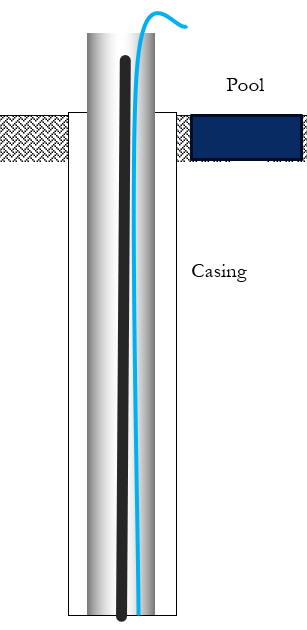
Reinforcement Installation
- After cleaning:
- Insert the reinforcement into the borehole. This reinforcement may consist of steel casing, reinforcement bars (rebar), or a combination of both.
- Lower the reinforcement slowly and carefully to prevent any damage to the borehole walls.
- Reinforcement that can be applied for micropile are:
- Single steel rebar
- Three steel rebars
- A steel pipe
- A combination between steel rebars and a steel pipe
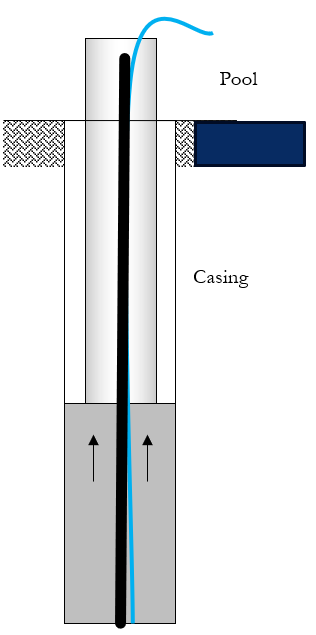
Grout Installation
- Grout placement begins from the bottom of the borehole and flows upward until it reaches the top of the pile.
- Ensure the reinforcement is completely encased to:
- Maximize load transfer from the micropile to the surrounding soil.
- Create a robust and stable bond between the micropile and the ground.
Our Projects
Our Equipment
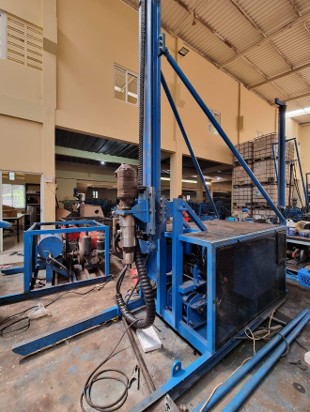
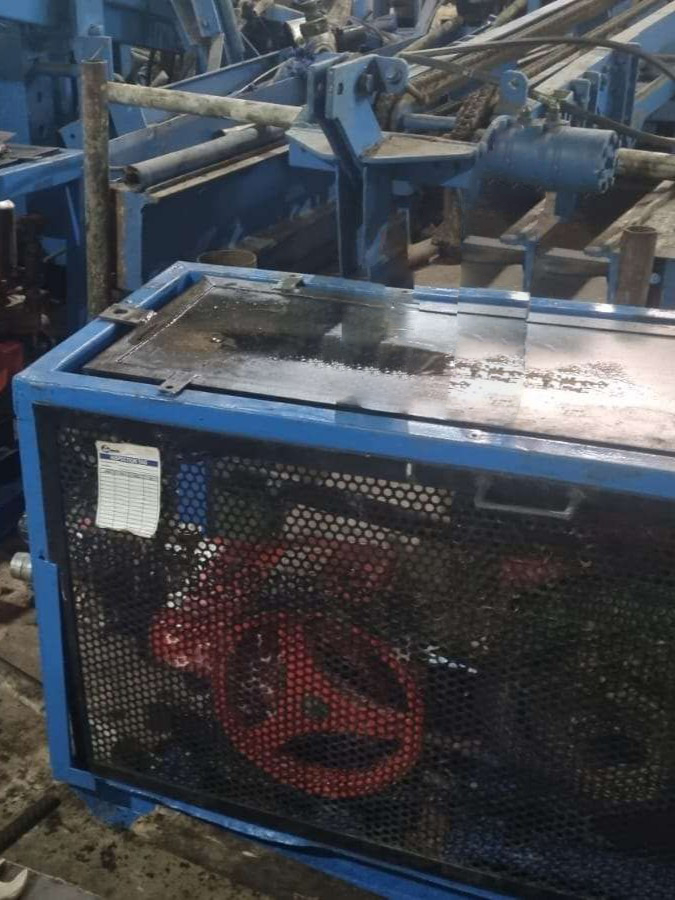
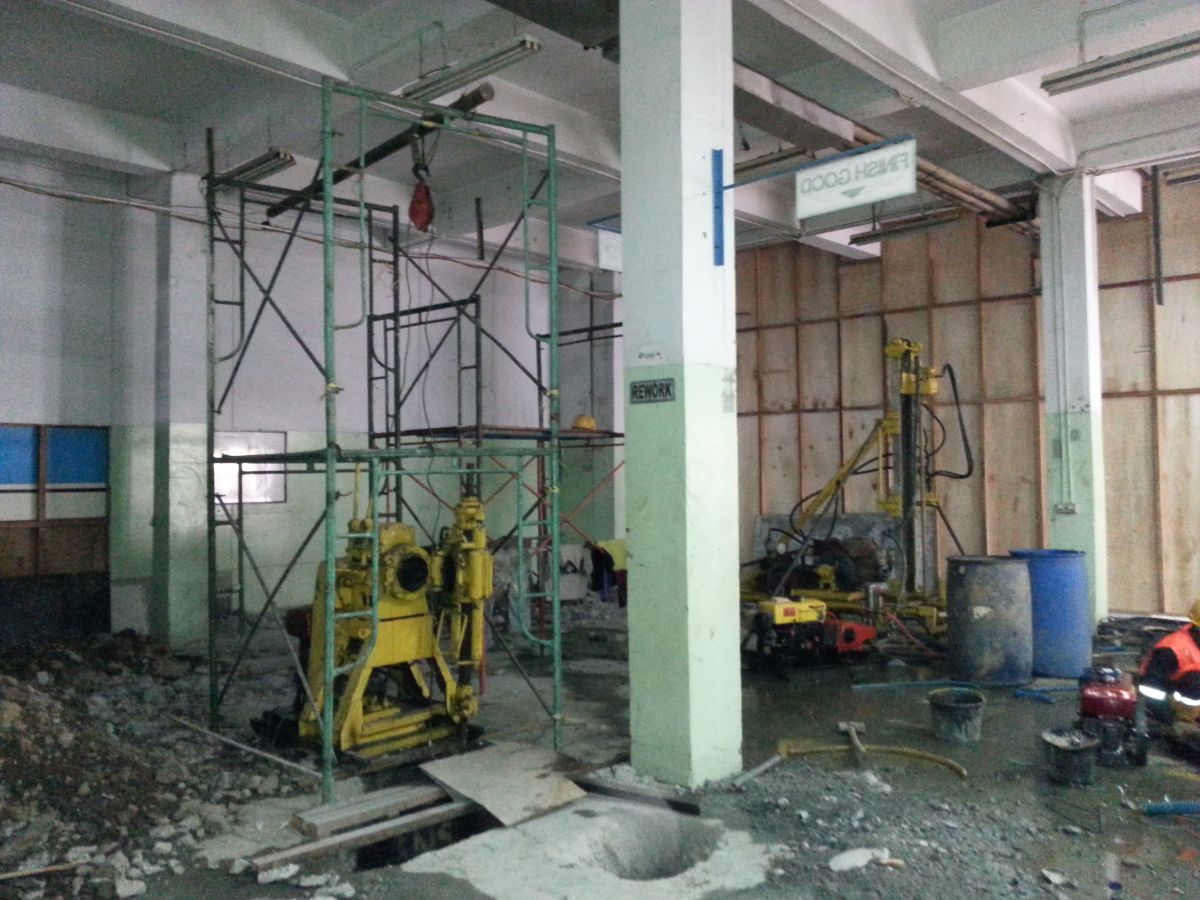
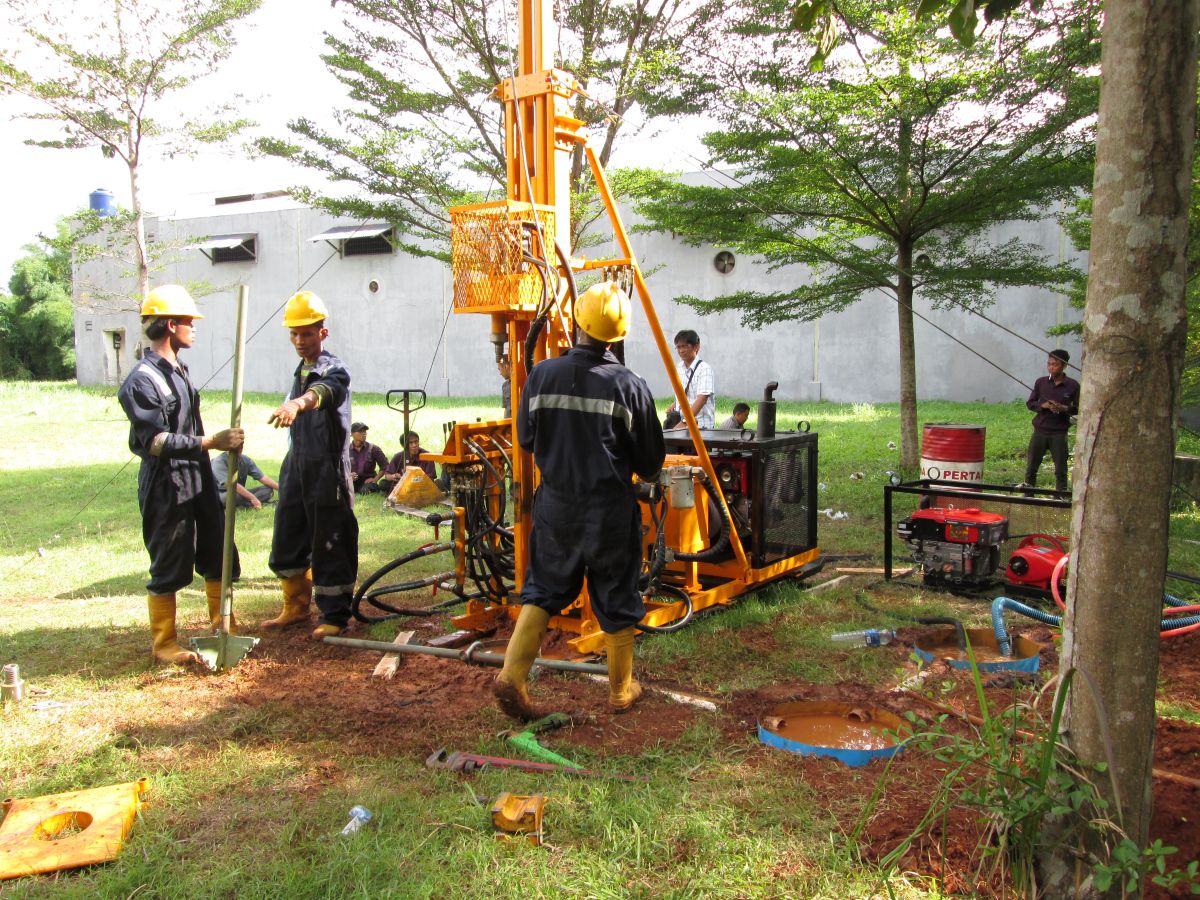
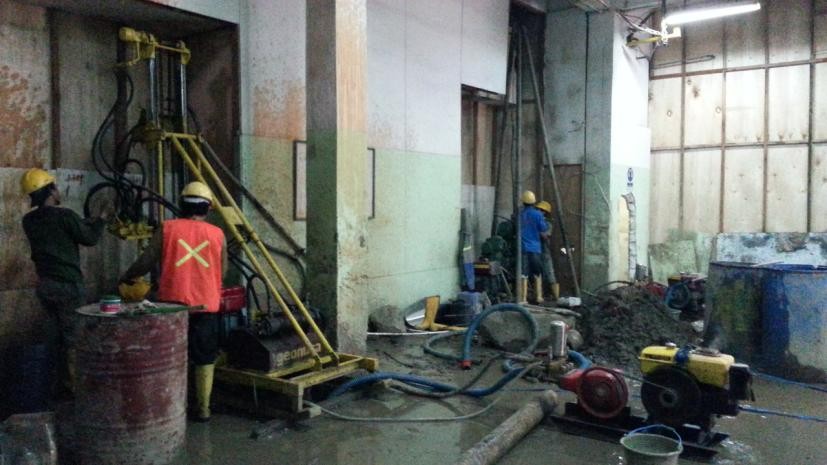
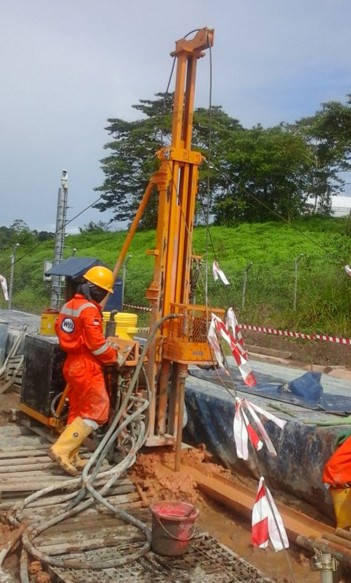
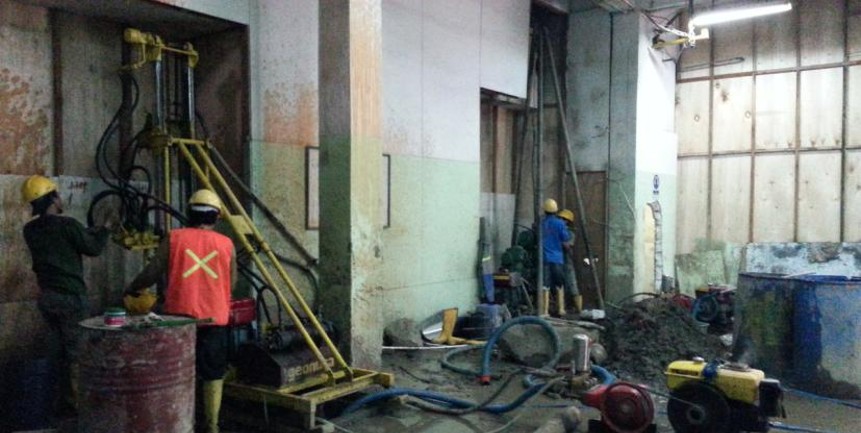
We use compact hydraulic drilling machines designed for low-clearance workspaces, allowing pile installation with high precision even in challenging environments